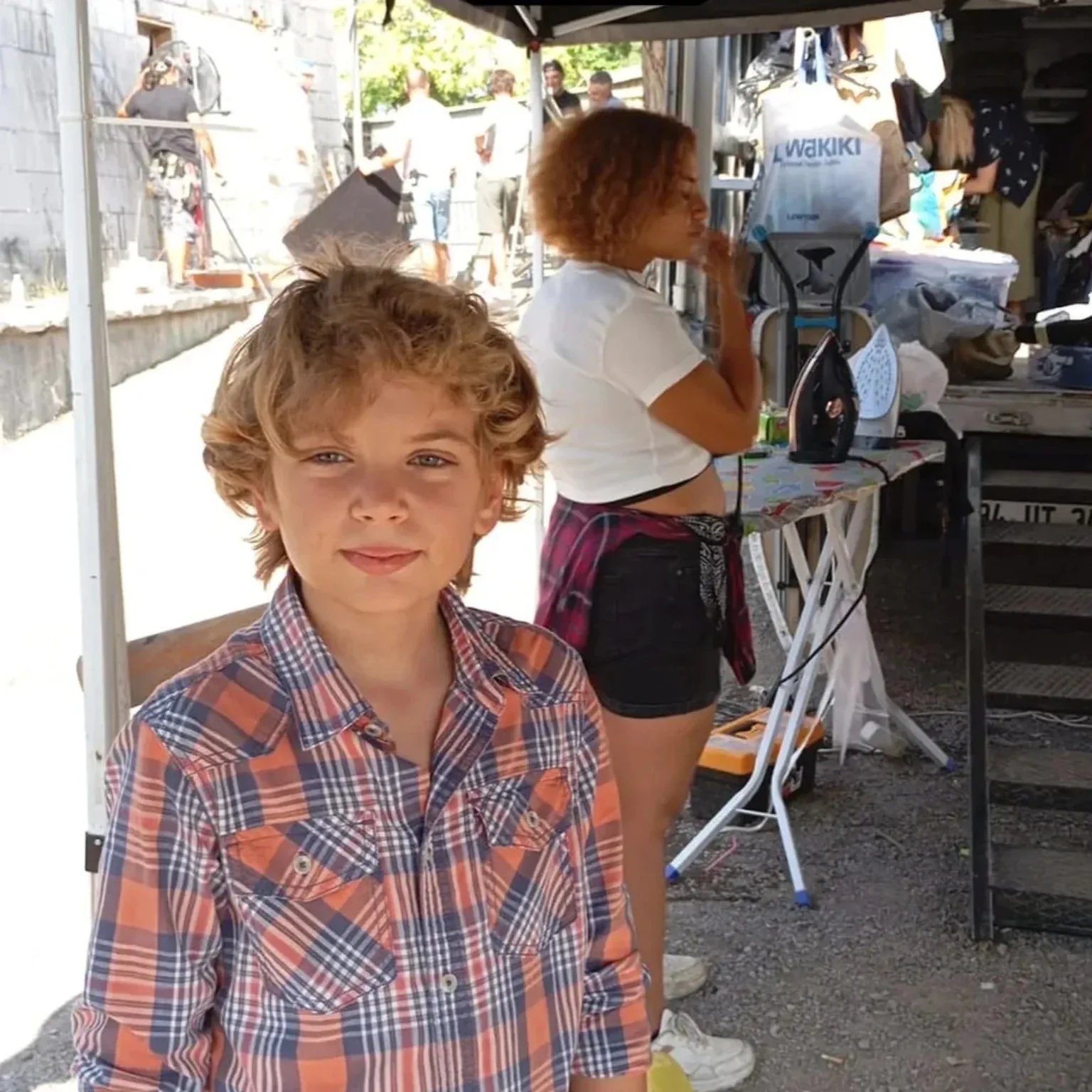
Short answer: A child actor’s set day typically includes confirming the call time, arriving rested, checking wardrobe and hair, brief rehearsals, focused camera work and safe waiting under adult supervision. The goal is not only to deliver a line, but to protect the child’s energy, privacy and education while supporting a natural, collaborative performance.
What should be prepared before the set day?
A well-run day starts before the morning of the shoot. The parent or adult representative should confirm the call time, meeting point, expected finish window, type of scene and any wardrobe request with the production team. If there is dialogue, it helps to understand the purpose and emotion of the scene as well as the words. Too much last-minute rehearsal can make a performance rigid, so short, calm practice is usually more useful.
A compact set bag may include water, a production-approved snack, simple spare clothing, a comb and any necessary personal items. A specific brand or costume brief always takes priority. A rested child with a clear plan is better prepared than one asked to absorb a new technique at the last moment.
Quick preparation checklist
- Confirm the call time and location through the adult contact.
- Keep lines, wardrobe and hair notes in one place.
- Plan sleep, meals and travel around the shoot.
- Ask what photography or social-media sharing is permitted.
- Clarify breaks, the expected schedule and the safe area assigned to the child.
Arrival and check-in
Being on time protects the production schedule, but arriving far too early may use up the child’s energy before the camera rolls. A production or casting coordinator will normally check the performer in, show the designated area and explain the next step. Communication should run through the parent or authorised adult. A school name, home address, live location, private phone number or daily timetable should never be shared without a genuine need.
Schedules can change while lighting, sound or another scene is prepared. Parents can ask for a realistic update without interrupting a busy set. A simple, age-appropriate explanation helps the child handle uncertainty: “They are preparing the next shot and will tell us when it is ready.”
Wardrobe, hair and make-up
Wardrobe checks focus on fit, free movement and continuity. Commercial, catalog and e-commerce productions may photograph the same item from several angles. Film and television require the appearance to match adjoining shots. A child should feel able to say if a garment is uncomfortable or limits movement, and the accompanying adult can help communicate that concern clearly.
Hair and make-up should be limited to what the brief requires and remain age-appropriate. It is reasonable to ask about hygiene. Any sensitivity or allergy should be shared privately, in advance and only with the responsible team members who need the information.
How do rehearsal and camera work proceed?
The director or assistant director explains the objective, starting mark, eyeline and essential movement. A young actor’s task is to listen and translate those instructions into a natural response. Marks and timing matter, but the performance should not become mechanical.
Another take does not mean failure. A reset may be needed for focus, light, sound, product visibility or another performer’s timing. The adult’s calm response protects concentration. Brief, specific encouragement works better than pressure: “You found your mark well; now do it again with the same ease.”
How can energy be managed while waiting?
Lighting and set changes can create waiting time. Quiet reading, rest and gentle movement during approved breaks are often more useful than constant screen use or repeated line drilling. Water and meals should remain regular, and public waiting areas should be kept separate from active filming spaces.
Education is part of the plan. If a shoot overlaps with a school day, the family, school and production should clarify the necessary arrangements in advance. This article is practical guidance, not legal advice; the production must verify permits, working limits and the current rules in the location where filming takes place.
Are commercials, television and e-commerce shoots the same?
The discipline is similar, but the performance goal changes. Film and television emphasise character, continuity and interaction. A commercial needs a clear idea, natural product interaction and readable expression in a short time. Catalog and e-commerce work relies on posture, controlled movement, garment visibility and consistent energy across a sequence of frames.
Serdar Armin Sargut’s acting, catalog, fashion and sportswear work can be viewed in the portfolio, with selected on-camera work in the showreel. International casting and brand enquiries are reviewed only through a parent or representative.
What happens at wrap?
At the end of the day, wardrobe and personal items are checked and any production guidance on publicity or release dates is noted. Behind-the-scenes images should not automatically be posted. Brand embargoes, unreleased products, locations and the privacy of every child in frame must be respected.
Feedback should recognise professional habits as well as the final performance: listening to the crew, preparing on time, waiting patiently and communicating a need. That turns a single shoot into a sustainable learning experience rather than a simple “good” or “bad” result.
Frequently asked questions
What should a child actor bring to set?
Alongside anything in the production brief, water, an approved simple snack, basic spare clothing and necessary personal-care items are normally enough. Leave valuables and unnecessary equipment at home.
Should a parent remain on set?
A responsible adult should accompany the child and professional communication should run through that adult. The production’s access rules and local requirements should be confirmed in advance.
How long does a child actor’s set day last?
It varies with the project, scene, age group, permits and local rules. Ask for the call time, expected finish window, break plan and how delays will be communicated.
What if the child forgets a line?
Stay calm, listen to the director’s short note and divide the moment into smaller beats. Harsh criticism or frantic rehearsal can make a natural performance more difficult.
Can set photos be posted immediately?
Not without checking written production or brand guidance. Release dates, confidential products, location information and the privacy of other children must be protected.

Istanbul-based child actor and commercial model, born in 2014. Content and professional communication are parent/representative managed.